¿Cuáles son las técnicas más comunes de acabado de chapa metálica y sus beneficios?
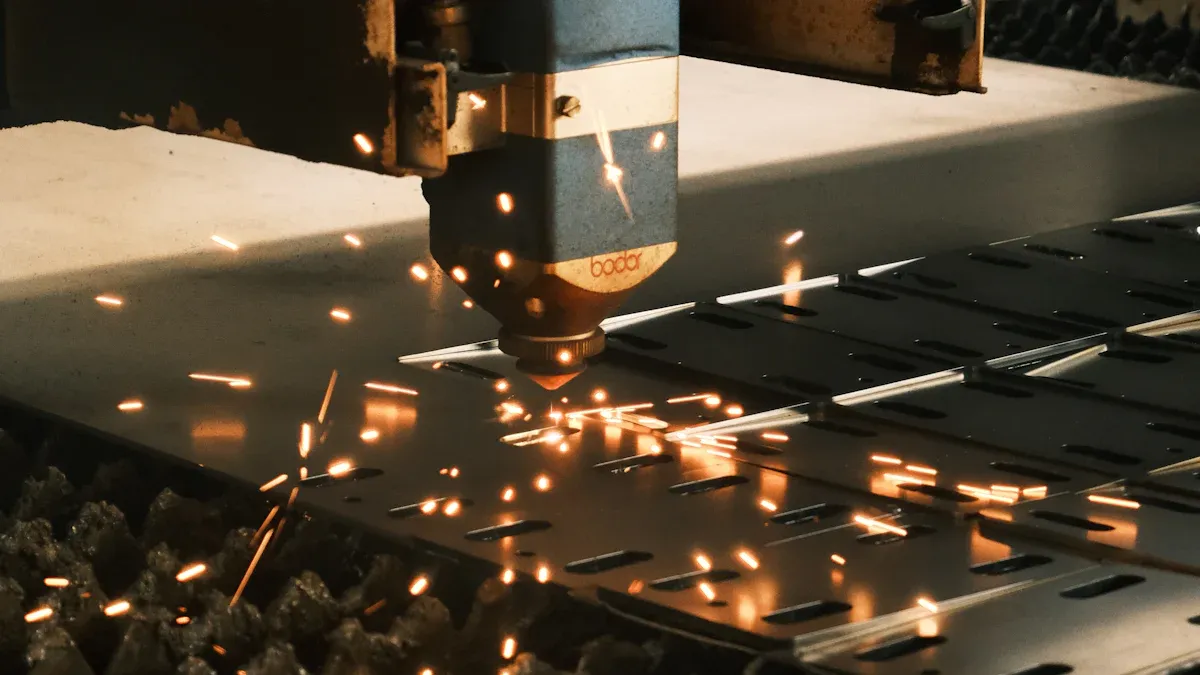
Se pueden encontrar diversas técnicas de acabado de chapa metálica que mejoran tanto el rendimiento como la apariencia. Los métodos más comunes incluyen el recubrimiento en polvo, el anodizado, la galvanoplastia, el granallado y el pulido.
Técnica de acabado | Descripción | Usos comunes |
|---|---|---|
Recubrimiento en polvo | Polvo seco curado para formar una capa protectora | Equipos y maquinaria industriales |
Anodizado | Refuerza la capa de óxido en el aluminio. | Componentes de aluminio |
Galvanoplastia | Capa delgada de metal aplicada con corriente eléctrica | Electrónica, equipos industriales |
Chorro abrasivo | Limpia superficies con medios abrasivos | Preparación de la superficie |
Pulido/Rectificado | Suaviza y refina las superficies metálicas. | Acabados decorativos |
Cada técnica ofrece beneficios únicos, como mayor durabilidad, resistencia a la corrosión y una estética mejorada. La experiencia de Hua Pusheng en acabados de chapa metálica de precisión garantiza que usted seleccione el acabado que mejor se adapte a su aplicación.
Elija el recubrimiento en polvo para un acabado duradero que resista el desconchado y la corrosión. Ofrece una variedad de colores y texturas para usos tanto funcionales como decorativos.
Considere la posibilidad de anodizar componentes de aluminio para mejorar la dureza superficial y la resistencia a la corrosión. Esta técnica permite obtener acabados de colores vibrantes y duraderos.
Utilice el galvanizado para una protección a largo plazo contra la oxidación. Requiere un mantenimiento mínimo y prolonga significativamente la vida útil de los productos para exteriores.
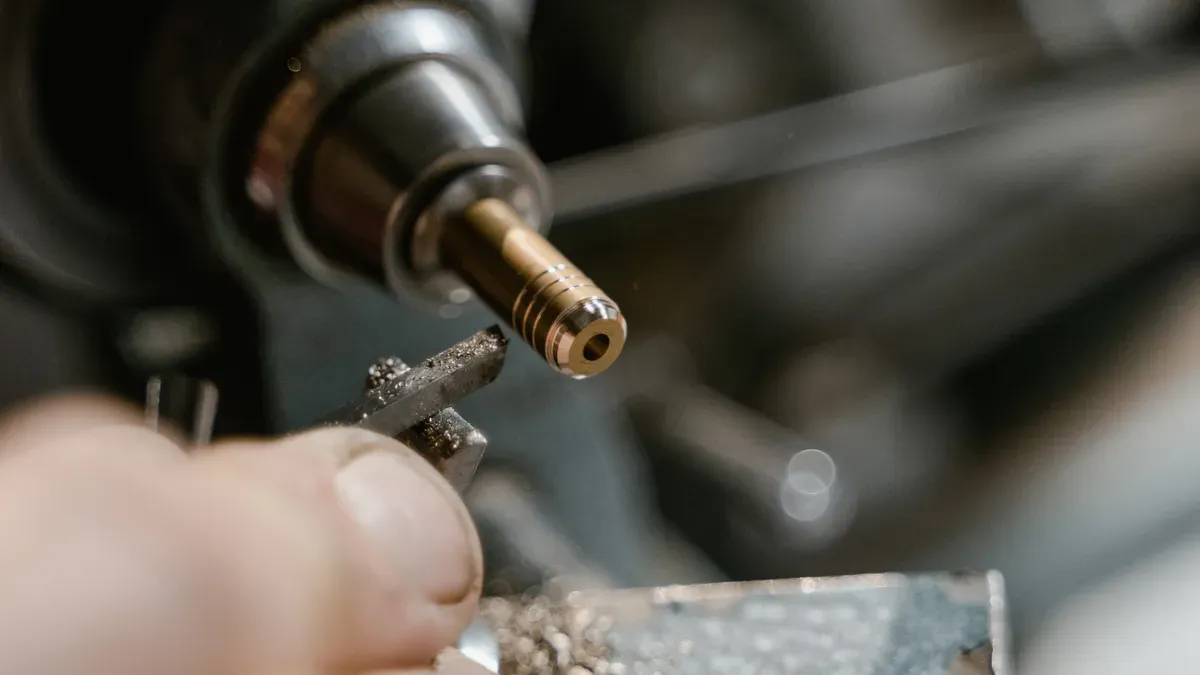
El recubrimiento en polvo es una de las opciones más versátiles para el acabado de precisión de chapa metálica. Este proceso consiste en pulverizar un polvo fino de pigmento y resina sobre una superficie metálica limpia. El polvo se adhiere electrostáticamente y luego se cura en un horno, formando una película protectora continua. El resultado es un acabado resistente al desconchado, la abrasión y la corrosión. El recubrimiento en polvo proporciona una capa duradera y flexible que soporta entornos exigentes y manipulación frecuente. Además, ofrece una amplia gama de colores y texturas, lo que lo hace ideal tanto para aplicaciones funcionales como decorativas.
El recubrimiento en polvo se utiliza comúnmente para equipos industriales, gabinetes de telecomunicaciones y paneles de electrodomésticos. Se observan mejoras en el rendimiento, como protección UV, resistencia química y apariencia uniforme. Cuando se selecciona el recubrimiento en polvo para Chasis de carcasa metálica, producto terminadoGarantiza fiabilidad a largo plazo y un rendimiento superior. El proceso ofrece responsabilidad medioambiental y reduce el mantenimiento, lo que lo convierte en una solución rentable para numerosos proyectos de acabado de chapa metálica de precisión.
Consejo: Una preparación adecuada de la superficie, que incluya limpieza y pretratamiento, es esencial para lograr los mejores resultados con el recubrimiento en polvo.
El recubrimiento metálico se destaca como una opción clave para el acabado de precisión de chapa metálica. Se aplica una capa delgada de metal, como acero o aluminio, al sustrato mediante métodos electroquímicos o mecánicos. Esta técnica mejora la resistencia a la corrosión, la durabilidad de la superficie y el atractivo estético. El recubrimiento metálico prolonga la vida útil del producto al proteger las superficies contra el óxido y el desgaste. Es frecuente encontrar recubrimientos metálicos en componentes electrónicos de consumo y piezas de maquinaria, donde la mejora de la dureza y el aspecto visual son cruciales.
Entre los principales beneficios se incluyen:
Resistencia a la corrosión
Mayor durabilidad
Mejor atractivo estético
El anodizado ofrece una opción especializada para el acabado de chapa metálica de precisión, especialmente para componentes de aluminio. El proceso consiste en sumergir el aluminio en una solución electrolítica, creando una densa película de óxido que se integra con el metal. Se logra una dureza superficial de hasta Rockwell 70C, lo que evita el desconchado y el descascarillado. El anodizado también permite que los tintes de color penetren en la capa de óxido, dando como resultado acabados vibrantes y duraderos.
El anodizado se utiliza en industrias como la aeroespacial, la electrónica y la arquitectura. Productos como las carcasas de fuentes de alimentación y los dispositivos electrónicos de consumo se benefician de una mayor resistencia a la corrosión, durabilidad y retención del color. Serigrafía Se suele aplicar sobre superficies anodizadas, proporcionando un etiquetado y una imagen de marca claros sin comprometer el acabado.
Industria | Aplicaciones |
|---|---|
Aeroespacial | Componentes de aeronaves, motores a reacción, naves espaciales |
Electrónica | Computadoras portátiles, teléfonos inteligentes |
Arquitectónico | Fachadas de edificios, marcos de ventanas |
Bienes de consumo | Utensilios de cocina, joyería, equipamiento deportivo |
Automotor | Componentes del motor, embellecedores |
El galvanizado es otra opción fiable para el acabado de chapa metálica de precisión. Consiste en sumergir las piezas en zinc fundido, que forma una capa protectora contra la oxidación y la corrosión. El proceso incluye limpieza de la superficie, decapado ácido y aplicación de fundente para garantizar una óptima adherencia del zinc. El galvanizado proporciona una excelente protección a largo plazo, con una vida útil del recubrimiento que suele superar los 25-50 años. Además, ofrece un mantenimiento mínimo y una mayor durabilidad.
El galvanizado se utiliza habitualmente en carrocerías de automóviles, estructuras de acero, productos para exteriores y chapa metálica laminada en frío. En estas aplicaciones, la vida útil se prolonga más de 50 años en condiciones ambientales normales, lo que convierte al galvanizado en una opción rentable para el acabado de chapa metálica y para aplicaciones de precisión.
Tipo de producto | Aplicación/Uso | Mejora esperada de la esperanza de vida |
|---|---|---|
Acero galvanizado | Carrocerías de automóviles, bicicletas, tuberías de agua potable | Más de 50 años en entornos promedio |
Chapa metálica laminada en frío | Aplicaciones industriales | Más de 20 años con exposición severa al agua. |
Acero estructural | Edificios con estructura de acero, balcones, escaleras | Mayor durabilidad y fiabilidad. |
Productos para exteriores | Vallas, tejados, pasarelas exteriores | No requiere mantenimiento |
El granallado ofrece una opción única para el acabado de precisión de chapa metálica. Este proceso utiliza pequeñas partículas esféricas, generalmente de vidrio, impulsadas por aire comprimido para crear un acabado mate uniforme. Mejora la textura y la limpieza de la superficie, reduce las marcas de mecanizado visibles y mantiene la precisión dimensional. El granallado optimiza tanto las propiedades estéticas como funcionales, lo que lo hace ideal para paneles de equipos y dispositivos ópticos.
El granallado se utiliza con frecuencia en electrónica de consumo, instrumental médico, componentes de automoción, hardware aeroespacial y equipos industriales. El acabado mate dispersa la luz, reduce los reflejos y prepara las superficies para tratamientos posteriores como el recubrimiento en polvo o el anodizado.
Los beneficios incluyen:
Acabado mate uniforme
Mayor limpieza de la superficie
Adherencia mejorada al recubrimiento
El electropulido es una opción de precisión para el acabado de chapa metálica, especialmente en acero inoxidable. Permite eliminar contaminantes, alisar y abrillantar la superficie del metal y eliminar subproductos residuales. El proceso enriquece la capa de cromo, lo que resulta en una mayor resistencia a la corrosión y una superficie más lisa que reduce la acumulación de contaminantes. El electropulido cumple con los estándares sanitarios y las especificaciones de alta pureza, lo que lo hace esencial para los sectores sanitario, aeroespacial y alimentario.
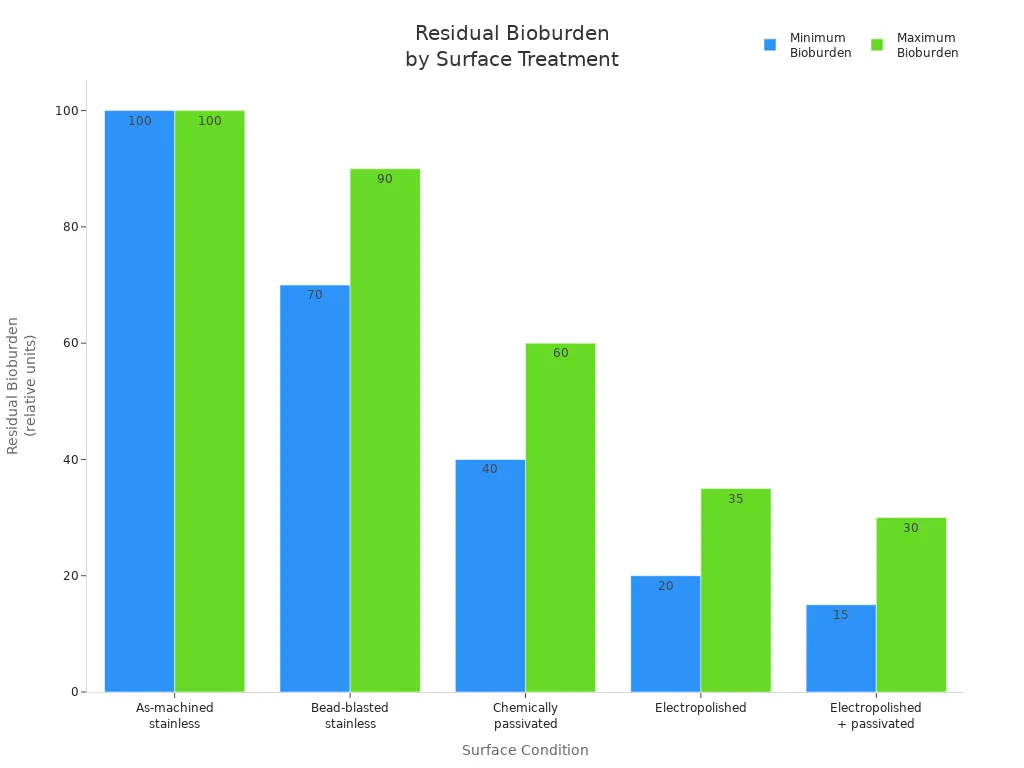
Se beneficia de una limpieza más sencilla, un mejor acabado superficial y una reducción documentada de la carga biológica. La chapa metálica electropulida es ideal para aplicaciones donde la higiene y la resistencia a la corrosión son fundamentales.
El recubrimiento químico de película ofrece una opción para el acabado de chapa metálica de precisión que mejora tanto la resistencia a la corrosión como la conductividad eléctrica. El proceso crea una barrera que protege el metal de la oxidación, manteniendo sus propiedades eléctricas. Este recubrimiento se aplica frecuentemente a extrusiones de aluminio, piezas fundidas, chapa metálica y piezas mecanizadas. Este acabado es esencial para carcasas y componentes electrónicos donde se requiere conductividad y protección contra la corrosión.
Ventajas:
Resistencia a la corrosión
Adherencia mejorada de la pintura
Conductividad eléctrica mantenida
Las técnicas de lijado y cepillado ofrecen una opción práctica para el acabado de precisión de chapas metálicas. Estos procesos crean texturas distintivas que realzan el atractivo visual y la durabilidad. Los acabados cepillados disimulan las imperfecciones de la superficie, mejoran la resistencia a la fatiga y proporcionan una superficie uniforme y satinada. El lijado y el cepillado se utilizan en productos de acero inoxidable y aluminio, especialmente en aquellos destinados a aplicaciones visibles o decorativas.
Beneficios:
Mayor atractivo visual
Mayor resistencia a los arañazos
Acabado superficial uniforme
Los acabados cepillados se encuentran en molduras de automóviles, paneles arquitectónicos y artículos de consumo. El patrón de la veta disimula pequeños arañazos y reduce la visibilidad de las huellas dactilares, lo que hace que estas opciones sean ideales para productos que requieren tanto funcionalidad como estética.
Dispone de una amplia gama de opciones de acabado de chapa metálica de precisión, cada una con ventajas únicas para diferentes aplicaciones. Tanto si necesita recubrimiento en polvo para mayor durabilidad, chapado para resistencia a la corrosión, anodizado para color y dureza, como galvanizado para protección a largo plazo, puede seleccionar la mejor opción para satisfacer las necesidades de su proyecto.
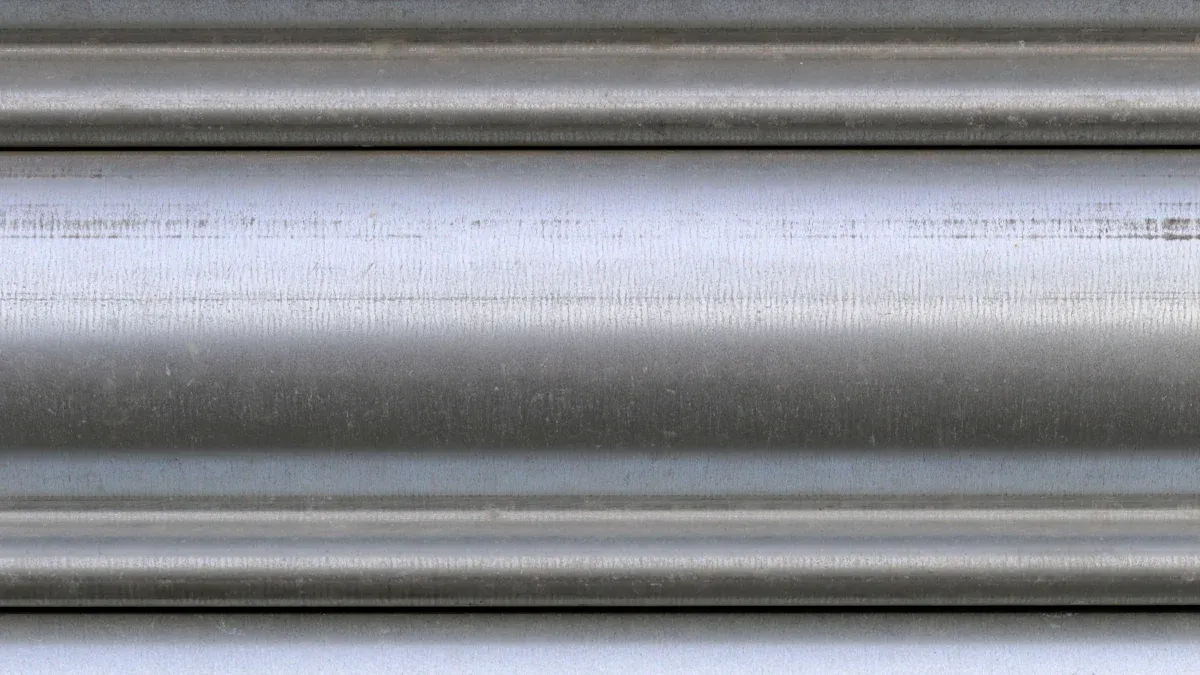
Usted confía en el acabado de metales para crear una barrera protectora para sus piezas de chapa metálica. Esta barrera protege contra la humedad, los productos químicos y los factores ambientales, lo que prolonga la vida útil de sus productos. El recubrimiento en polvo ofrece una durabilidad y resistencia a la corrosión excepcionales, lo que lo hace ideal para la fabricación de metales en exteriores e industriales. El anodizado proporciona una excelente resistencia a la corrosión y al desgaste, especialmente para componentes de aluminio. Los métodos de recubrimiento, como el zincado, ofrecen una prevención de la oxidación rentable para muchas aplicaciones. Puede confiar en estas técnicas de acabado superficial para mantener la integridad de sus piezas de chapa metálica en entornos exigentes.
Puede mejorar la apariencia de sus productos mediante diversas opciones de acabado metálico. El pulido crea una superficie lisa y reflectante que aporta un aspecto lujoso a los productos de consumo de alta gama. El anodizado permite personalizar el color y el acabado, mejorando tanto la estética como la resistencia a la corrosión. El recubrimiento en polvo ofrece una amplia gama de colores y texturas, brindando flexibilidad en el diseño. Los acabados mate obtenidos mediante granallado proporcionan un aspecto sutil y no reflectante, mientras que las superficies cepilladas añaden textura e interés visual. Estas opciones de acabado superficial le ayudan a lograr la apariencia deseada para paneles arquitectónicos, electrónica de consumo y mucho más.
Al seleccionar una técnica de acabado de metales, debe considerar el costo y la idoneidad de la aplicación. El recubrimiento en polvo es económico para grandes lotes y ofrece una calidad constante con menores costos a largo plazo. El anodizado equilibra el costo y el rendimiento, proporcionando colores vibrantes y protección. Los métodos de recubrimiento, como el zincado, ofrecen bajos costos iniciales, pero pueden requerir más mantenimiento. Su elección depende del entorno, las necesidades de durabilidad y los requisitos específicos de sus piezas de chapa metálica. Por ejemplo, Carcasas de aluminio anodizado para fuentes de alimentación Benefíciese de la combinación de durabilidad y apariencia que ofrece el anodizado.
Opción de acabado | Propósito principal | Costo relativo | Beneficio clave |
|---|---|---|---|
Recubrimiento en polvo | Corrosión y durabilidad | $$$ | Resistencia extrema, muchos colores |
Anodizado tipo II | Cosmética y corrosión | $$ | Buena protección, colores vibrantes |
Anodizado tipo III | Resistencia al desgaste | $$$$ | Dureza extrema, protección superior |
Recubrimiento de zinc | Resistencia a la corrosión | $ | Prevención de la oxidación a bajo costo |
Película química | Corrosión y conductividad | $$ | Protección contra la corrosión, uso eléctrico |
Granallado con perlas | Apariencia cosmética | $$ | Acabado mate uniforme y antirreflejos |
Tal como se fabrica | Funcional | - | Opción de menor costo |
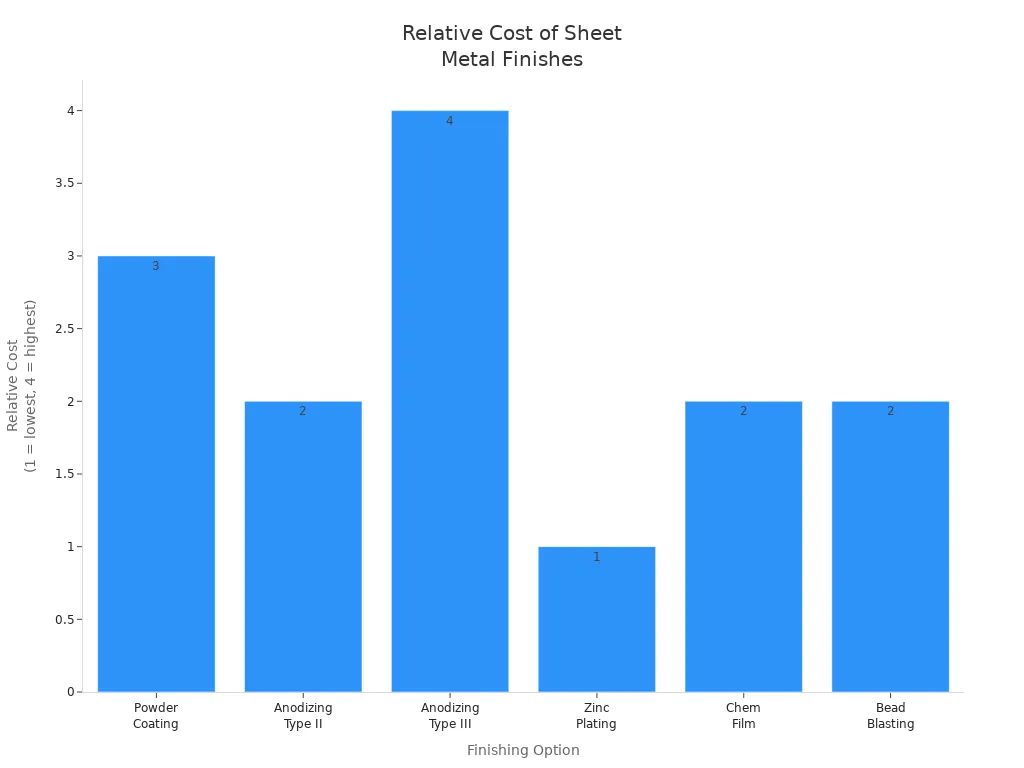
Consejo: Elija el acabado metálico adecuado según el entorno, las necesidades de durabilidad y el aspecto deseado. Tenga en cuenta la resistencia a la corrosión, el coste y los requisitos de aplicación para obtener los mejores resultados en proyectos de fabricación de metales a medida.
Cada técnica de acabado de chapa metálica ofrece ventajas distintas.
El galvanizado protege contra la corrosión y prolonga la vida útil del producto.
El acabado mediante chorro de microesferas elimina las imperfecciones y crea un aspecto mate.
El galvanizado garantiza la durabilidad para su uso en exteriores.
El acabado mediante chorro de microesferas mejora la limpieza de la superficie.
El galvanizado requiere un mantenimiento mínimo.
El acabado mediante chorro de microesferas mejora la adherencia del recubrimiento.
Optimiza tu proyecto consultando a expertos.
Las recomendaciones personalizadas se ajustan a sus necesidades.
El galvanizado y el acabado mediante granallado combinan resistencia y estética.
Programe una consulta virtual para revisar las necesidades de acabado.
Obtendrá un acabado duradero que resiste la corrosión y el desgaste. El recubrimiento en polvo ofrece una amplia gama de colores y texturas para sus proyectos de fabricación de metal personalizados de alta calidad.
El lijado elimina las imperfecciones de la superficie y prepara el metal para el acabado posterior. Se consigue un acabado más liso, lo que mejora tanto el aspecto como la adherencia para otras opciones de postprocesamiento.
Puedes seleccionar acabados personalizados, incluyendo acabados mecánicos y lijado, para aumentar la resistencia y lograr el acabado deseado. Estas opciones de acabado te ayudan a cumplir con los requisitos específicos de tu proyecto.
 Obtén un presupuesto ahora


 IPv6 RED SOPORTADA
Dejar un mensaje
Escanear a WeChat :

Escanear a WhatsApp :

Hi! Click one of our members below to chat on

 English
 Français
 Deutsch
 Русский
 Italiano
 Español
 Nederland
 日语
日语 한국어
한국어 Svenska